
Burn-in test plays a critical role in electronics manufacturing where long-term reliability matters as much as performance. Engineers often rely on burn-in procedures to expose early-life failures before products reach the field. Whether used for high-reliability PCBA, industrial controllers, or medical electronics, this method helps stabilize product quality while reducing unexpected returns.
Below is a practical, engineering-focused guide explaining how burn-in testing works, why it matters, and how it applies specifically to PCB assemblies.
What Is a Burn-In Test in Electronics?
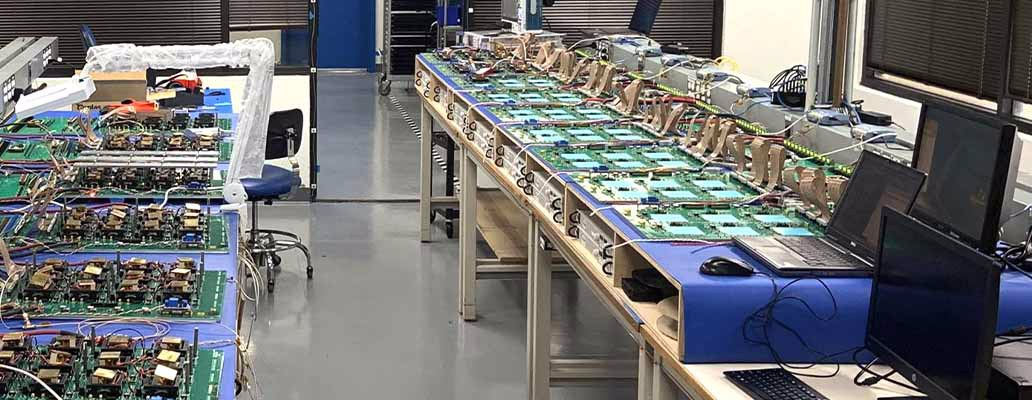
A burn-in test is a reliability testing process used in electronics manufacturing to identify early-life failures in electronic components, PCBs, and assembled electronic products.
During a burn-in test, electronic devices are operated under elevated stress conditions—such as higher temperature, voltage, or load—over a defined period of time. Components that are defective or marginal are more likely to fail during this phase rather than later in real-world use.
In simple terms:
Burn-in testing accelerates failure so weak components fail early—before products reach customers.
Burn-in tests are widely used in:
- PCB manufacturing and PCB assembly (PCBA)
- Power electronics
- Automotive electronics
- Aerospace and defense systems
- Medical devices
- Industrial control equipment
- Telecommunications hardware
What Is the Purpose of a Burn-In Test?
The primary purpose of a burn-in test is to improve product reliability and reduce field failures.
More specifically, burn-in testing is designed to:
- Detect early-life failures (infant mortality)
- Screen out defective components
- Verify design robustness
- Stabilize electrical performance
- Reduce warranty returns and RMA costs
Electronics failures often follow the bathtub curve, where failure rates are high at the beginning, low during normal life, and rise again at end-of-life. Burn-in testing targets the first phase of this curve.
Why Is a Burn-In Test Important?
Burn-in testing plays a critical role in quality assurance (QA) and reliability engineering.
Key Benefits of Burn-In Testing
1. Reduces Early Field Failures
Burn-in tests catch problems such as:
- Poor solder joints
- Marginal ICs
- Weak capacitors
- Manufacturing defects
- Thermal design issues
2. Improves Brand Reputation
Products that fail shortly after installation damage customer trust. Burn-in testing helps ensure only stable and reliable products ship.
3. Saves Cost in the Long Term
While burn-in testing adds upfront cost, it significantly reduces:
- Warranty claims
- Product recalls
- Field repair costs
- Customer downtime
4. Required by High-Reliability Industries
Industries such as medical, aerospace, automotive, and military electronics often require burn-in testing as part of regulatory or contractual standards.
How to Do a Burn-In Test?
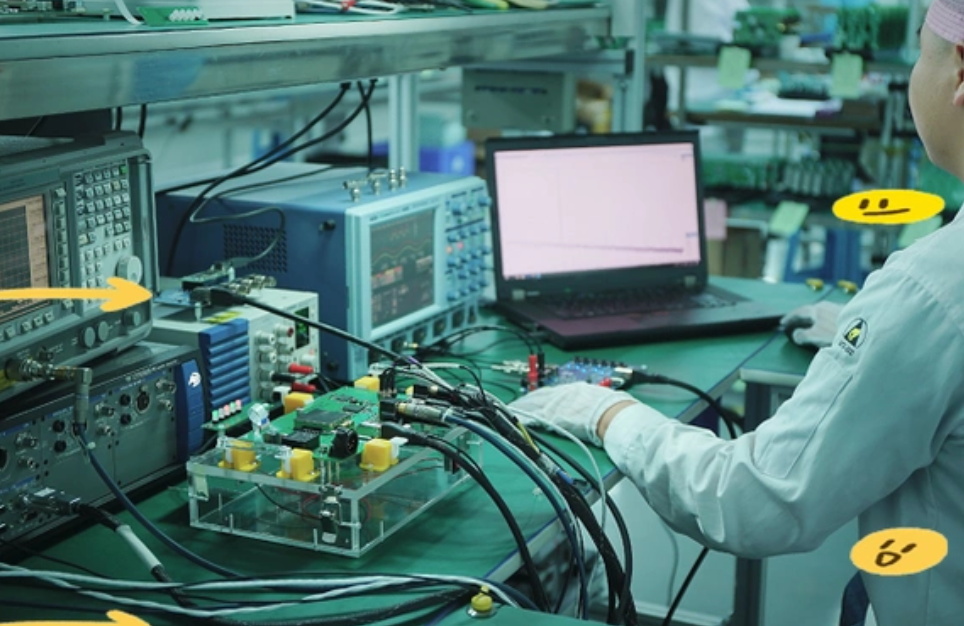
A burn-in test procedure varies depending on the product, industry, and reliability requirements, but the core steps are similar. Typical burn-in test procedure including:
Step 1: Visual & Electrical Pre-Inspection
Before burn-in:
- Visual inspection (AOI or manual)
- Basic electrical tests (continuity, shorts, power-on test)
- Ensure boards are safe to energize
Step 2: Load the PCB or Device into Burn-In Fixtures
PCBs or assemblies are mounted in:
- Burn-in racks
- Test sockets
- Custom fixtures
- Edge connectors or cable harnesses
Fixtures allow:
- Power supply access
- Signal monitoring
- Temperature exposure
Step 3: Apply Electrical Stress
The device is powered on continuously or in cycles using:
- Rated voltage or slightly elevated voltage
- Simulated operating loads
- Functional test patterns
Step 4: Apply Thermal Stress
Temperature is raised using:
- Burn-in ovens
- Environmental chambers
- Heated racks
Typical burn-in temperatures:
- 55°C to 85°C for commercial electronics
- 85°C to 125°C for industrial or automotive electronics
Step 5: Continuous Monitoring
During the test:
- Voltage and current are monitored
- Functional signals are checked
- Failures are logged automatically or manually
Step 6: Post Burn-In Inspection
After burn-in:
- Functional testing
- Electrical performance verification
- Visual inspection for thermal damage
- Failed units are analyzed and scrapped or repaired
What Equipment Is Needed for Burn-In Testing?
Burn-in testing requires specialized equipment to safely operate electronics under stress for long periods.
Common Burn-In Test Equipment
1. Burn-In Chambers / Ovens
- Temperature-controlled environments
- Uniform heat distribution
- Safety protection and airflow control
2. Burn-In Racks & Fixtures
- Hold PCBs or assemblies vertically or horizontally
- Provide power and signal connections
- Custom-designed for product type
3. Power Supplies
- Stable, programmable DC power supplies
- Over-current and over-voltage protection
4. Data Acquisition & Monitoring Systems
- Voltage/current monitoring
- Temperature sensors
- Failure logging software
5. Functional Test Systems
- Automated test equipment (ATE)
- Simulated loads
- Communication interfaces (RS485, CAN, Ethernet, etc.)
How Long Is a Burn-In Test?
The duration of a burn-in test depends on:
- Product complexity
- Reliability requirements
- Industry standards
- Cost considerations
Typical Burn-In Test Duration
| Application | Burn-In Time |
| Consumer electronics | 8–24 hours |
| Industrial electronics | 24–72 hours |
| Automotive electronics | 72–168 hours |
| Aerospace / military | 168–500+ hours |
Shorter burn-in tests are often used for screening, while longer tests are used for qualification and validation.
Burn-In Test for PCB and PCBA
A burn in test for PCB or PCBA focuses on identifying assembly-related and component-level issues.
What Burn-In Testing Detects in PCBs
- Cold solder joints
- Micro-cracks in solder
- Poor component placement
- Thermal expansion issues
- Marginal ICs
- Power instability
PCB Burn-In vs Functional Testing
| Test Type | Purpose |
| Functional Test | Verifies correct operation |
| Burn-In Test | Screens early failures |
| Thermal Cycling | Tests expansion/contraction |
| HALT/HASS | Stress limit testing |
Burn-in testing is not a replacement for functional testing—it is a complementary reliability process.
How to Tell If a Circuit Board Is Burnt?
A burnt PCB usually shows visible, electrical, or functional symptoms.
Visual Signs of a Burnt PCB
- Discoloration (brown or black areas)
- Burn marks or charring
- Melted solder or components
- Cracked IC packages
- Delaminated PCB layers
Electrical Symptoms
- Short circuits
- Abnormal current draw
- Voltage drops
- Failure to power on
Functional Symptoms
- Intermittent operation
- Random resets
- Overheating
- Communication errors
Burn-in testing often reveals latent damage that may not be obvious in quick functional tests.
Can a Burnt PCB Be Repaired?
Whether a burnt PCB can be repaired depends on damage severity.
Repairable Cases
- Burnt passive components (resistors, capacitors)
- Minor trace damage
- Isolated solder joint failures
Non-Repairable Cases
- Carbonized PCB substrate
- Internal layer damage (multilayer PCB)
- Widespread delamination
- Repeated thermal failure
In high-reliability industries, burnt PCBs are usually scrapped, not repaired, due to long-term reliability risks.
Burn-In Test vs Other Reliability Tests
| Test Method | Main Purpose |
| Burn-In Test | Early failure screening |
| Thermal Cycling | Mechanical stress testing |
| HALT | Find design limits |
| HASS | Production screening |
| Aging Test | Long-term performance |
Burn-in testing remains one of the most cost-effective reliability screening methods in electronics manufacturing.
FAQs
1. Is burn-in testing mandatory?
No, but it is highly recommended for high-reliability or mission-critical electronics.
2. Does burn-in testing damage electronics?
When properly controlled, burn-in testing does not damage good products—it only accelerates failure in weak units.
3. What temperature is used in burn-in testing?
Typically 55°C to 125°C, depending on component ratings and standards.
4. Is burn-in testing expensive?
It adds cost, but often reduces total lifecycle cost by preventing failures in the field.
5. Can burn-in testing replace functional testing?
No. Burn-in testing supplements functional and electrical testing.
6. What standards reference burn-in testing?
Common references include:
- MIL-STD-883
- JEDEC standards
- IPC reliability guidelines
Tags: burn in test for pcb, burn in test, burn-in test electronics, Burn-in test procedure
Agen234
Agen234
Agen234
Berita Terkini
Artikel Terbaru
Berita Terbaru
Penerbangan
Berita Politik
Berita Politik
Software
Software Download
Download Aplikasi
Berita Terkini
News
Jasa PBN
Jasa Artikel
News
Breaking News
Berita